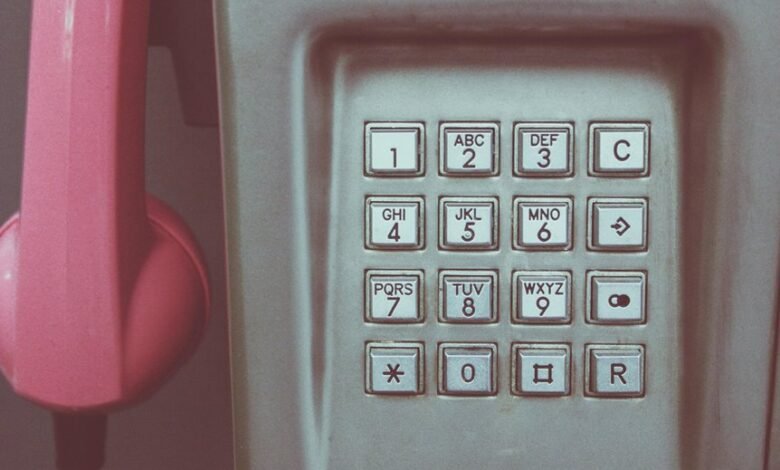
The likelihood of redialing the number 2039536320 following a missed call is shaped by several psychological and contextual factors. Urgency often compels a quick response, particularly when the caller-recipient relationship is strong. Conversely, unfamiliarity may introduce hesitation. Additionally, the presence of alternative communication methods can influence the decision-making process. Understanding these dynamics could reveal broader trends in communication behavior, prompting further exploration of missed call responses.
Factors Influencing Redialing Behavior
What drives individuals to redial after a missed call?
Psychological triggers such as urgency, anxiety, and curiosity significantly influence this behavior.
The impact of technology amplifies these triggers, as instant communication creates expectations for immediate responses.
As individuals navigate their desire for connection and autonomy, the interplay between psychological factors and technological advancements shapes the likelihood of redialing, underscoring the complexity of modern communication dynamics.
The Importance of Caller-Recipient Relationship
The nature of the relationship between the caller and recipient plays a crucial role in determining the likelihood of redialing after a missed call.
Caller familiarity enhances communication trust, increasing the probability of redialing. Conversely, unfamiliarity may lead to hesitation.
Thus, established relationships facilitate quicker responses, while weaker connections may result in prolonged indecision regarding whether to reattempt contact.
Contextual Elements Affecting Communication Decisions
How do contextual elements influence communication decisions following a missed call?
The communication context encompasses situational factors such as urgency, relationship dynamics, and availability. These elements significantly shape the likelihood of redialing after a missed call.
For instance, a time-sensitive matter may compel immediate action, whereas personal circumstances could lead to deferment, ultimately affecting the decision-making process regarding communication.
Trends in Missed Calls and Redialing Patterns
In examining the evolving landscape of missed calls and redialing patterns, one must consider the influence of technological advancements and shifting social norms.
Recent studies indicate a notable increase in redial frequency following missed calls, driven by factors such as smartphone capabilities and instant messaging alternatives.
As communication preferences evolve, understanding these trends becomes essential for optimizing connectivity and response strategies in diverse contexts.
Conclusion
In the intricate dance of communication, the decision to redial 2039536320 after a missed call is swayed by psychological nuances and contextual factors. Familiarity fosters urgency, while uncertainty breeds hesitation. As individuals navigate their relational landscapes, the interplay of urgency and available alternatives shapes their response. Understanding these dynamics not only sheds light on redialing behavior but also illuminates broader trends in communication patterns, revealing how modern connections are forged and sometimes left unfulfilled.